Assignment – Read Revelation 14:14-20
The last seven verses of this chapter give two visions of final judgment. Verses 14-16 describe Jesus harvesting the elect from the earth using imagery of a grain harvest. Then, verses 17-20 describe the horror of God’s final judgment against evil and those who reject Him using the imagery of grapes being gathered, or reaped, and then crushed in a winepress.
We need to acknowledge two very important points regarding this section of Rev 14. First, we must face the fact that the earth will be reaped. Basically, we will reap what we sow (Gal. 6:7) and the fruit of our lives will be harvested. Second, God will keep His word and reward righteousness and save those who trust in Jesus, as well as punish wickedness and all who rejected Christ. Essentially, these images depict the end of history and bring numerous prophecies to fulfillment.
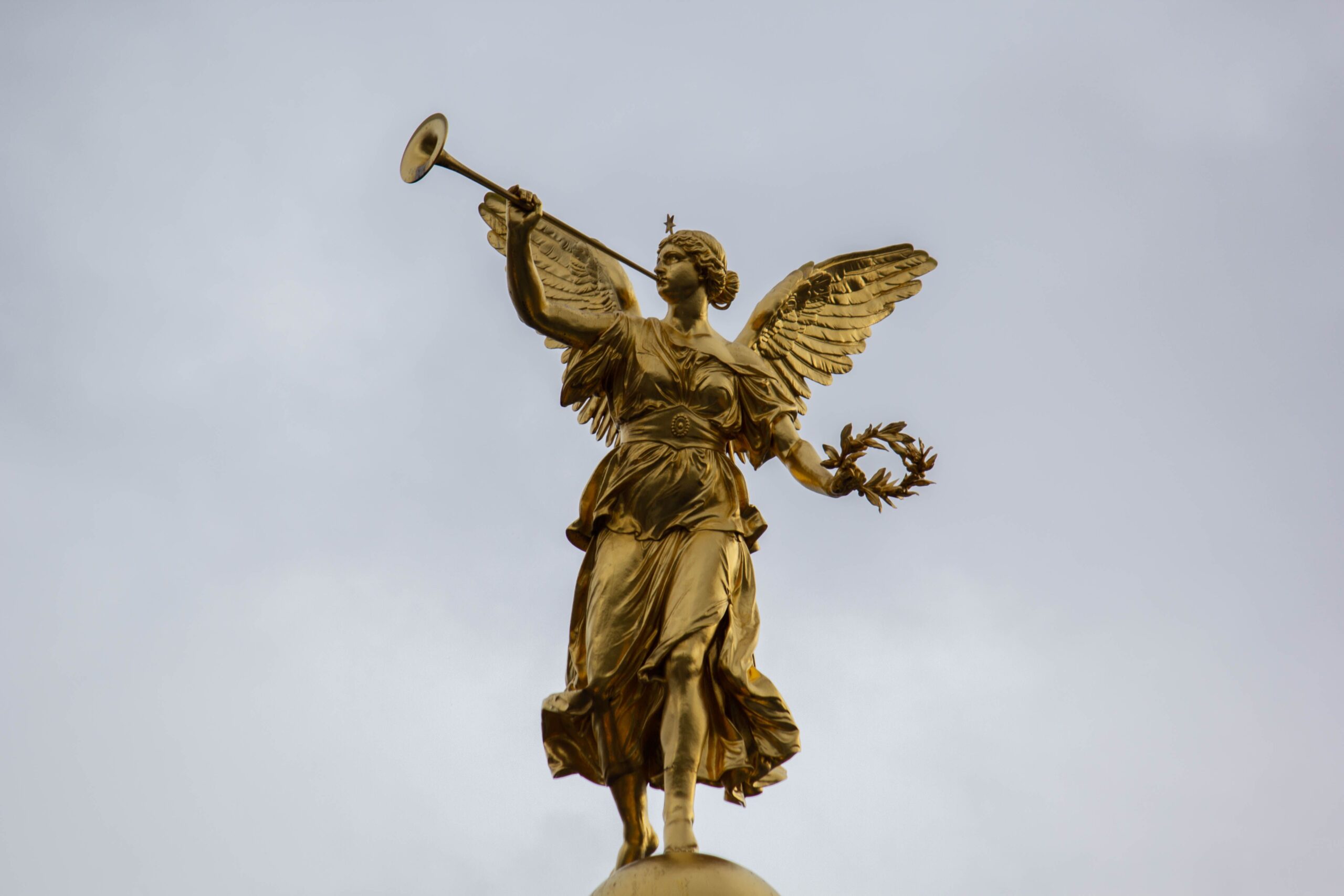
In Rev. 14:14, John saw someone who looked “like a son of man” sitting on a cloud, wearing a crown and holding a sickle in his hand. Some believe this is Jesus, but others disagree, saying an angel would never give Jesus a command (as in verse 15), therefore it cannot be Jesus. However, no angel is ever described as a “son of man” or wearing a crown. Also, there are numerous Scripture passages saying Jesus would come again on the clouds of heaven (see Daniel 7:13; Matthew 24:30; Acts 1:9-11; and Revelation 1:7). Therefore, I believe this is Jesus, and He is waiting for the angel to announce the time of the harvest, just as other angels have made similar announcements.
Another important question to ask is what is meant by reaping the harvest in these verses? Essentially, Jesus is separating believers from the unbelievers. This will be a time of joy for those who placed their trust in Him and a time of horror for everyone else. To better understand this idea of “harvesting,” let’s review several key verses:
- The Old Testament often portrays divine judgment as a “harvest” (see Jeremiah 51:33; Hosea 6:11; Joel 3:13).
- The New Testament also describes the end time as a harvest. Read Matthew 13:24-30 and ask yourself the following: (a) Who or what does the wheat represent? (b) Who or what do the weeds represent? (c) What happens to the weeds?
- Also, in Matthew 24:31, whom did Jesus send to gather the elect from one end of the heavens to the other?
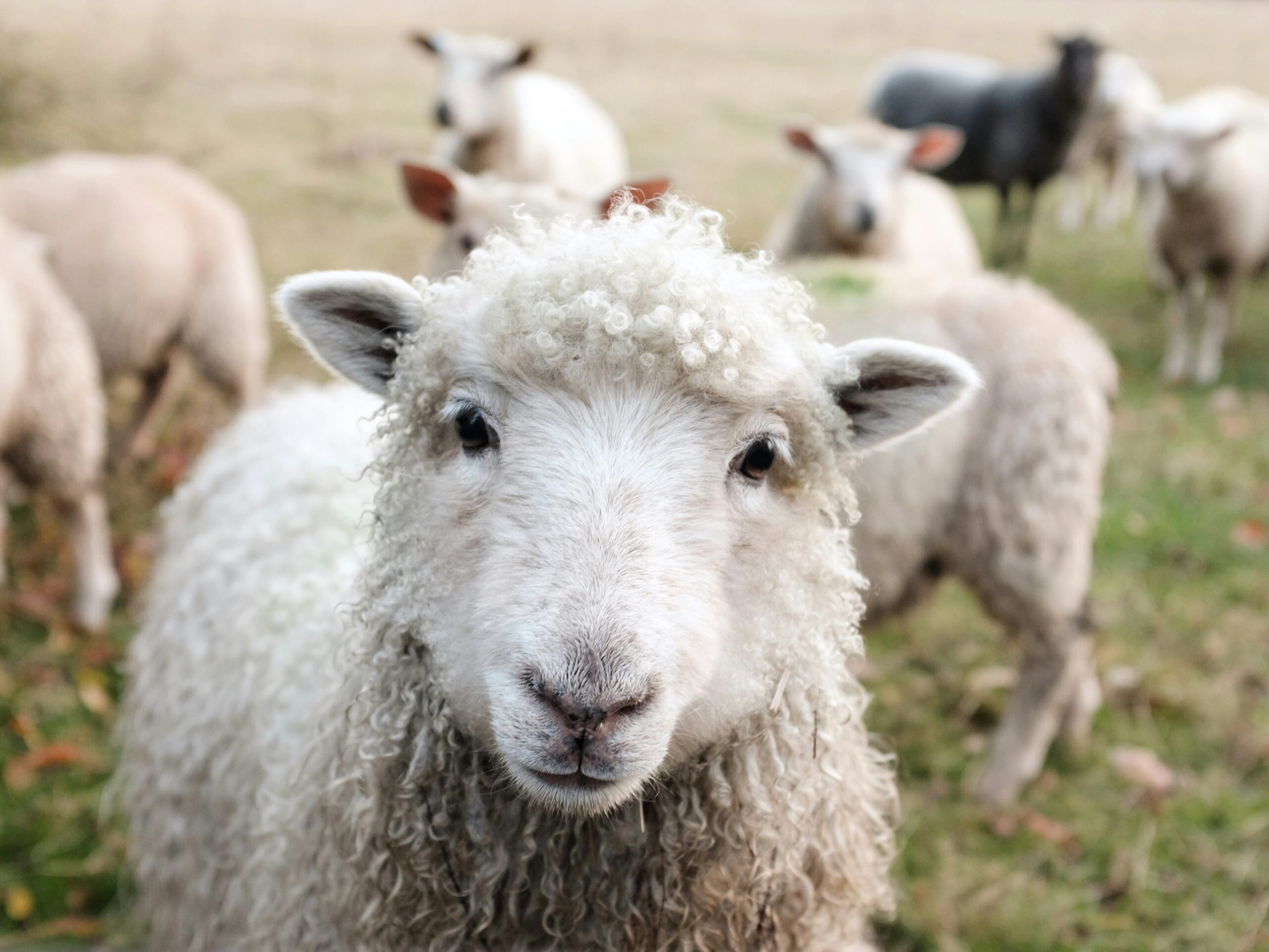
- Finally, in Matthew 25:31-46, Jesus also said the Son of Man will come (with His angels) and separate the people as a shepherd separates sheep from the goats. What happens to the goats?
There is debate about who is being harvested in the Rev. 14:14-20 passage. Some argue this is a picture of two different harvests with verses 14-16 describing Jesus gathering the righteous, and verses 17-19 referring to the punishment of sinners. Many favor this perspective based largely on who is doing the harvesting: Jesus is harvesting the righteous and an angel with the grim reaper’s sickle is harvesting the unrighteous.
Another theory, however, is that these are two images of the same harvest where everyone is involved (as Christ’s parable of the weeds seems to indicate). In other words, this could be a picture of the final judgment with the elect being taken to heaven and unbelievers being sent to eternal punishment. Either way, I think it would be wise to face the reality that we will all be collected and separated in the end!
One final note about the end of this chapter. The statement about the amount of blood and the distance it flowed is most likely figurative language or hyperbole and not to be taken literally. For example, many futurists tend to see the amount of blood flowing in verse 20 as the result of the bloody battle of Armageddon mentioned a few chapters later. Other scholars think this entire vision is symbolic of God’s wrath being poured out like a tidal wave of wine or blood all over the earth. This fits more accurately with the genre of apocalyptic literature. For example, do we really think God has a winepress in heaven where He tramples grapes in His bare feet (as they did in biblical times)? No. But this word picture would have made perfect sense to an ancient Jew or Christian. This is why we must be careful not to read something literally that was meant to be read symbolically.
The second point to remember in the book of Revelation is that the entire world is often described in groups of four (such as north-south-east-west, or every nation, tribe, language, and people). Therefore, 1600 stadia in this passage is probably not intended to be 200 literal miles, but rather the mathematical equivalent of 4 x 4 x 100. In other words, a symbolic distance representing the entire world. God’s final judgment against evil and the ungodly will not be confined to the length of Israel but will be world-wide instead!
Concluding Thoughts:
God will keep His promise to punish the wicked. Nothing will stand in His way, and it will be a terrible event none of us want to be a part of (described here as a bloodbath). God’s awful judgment is coming.